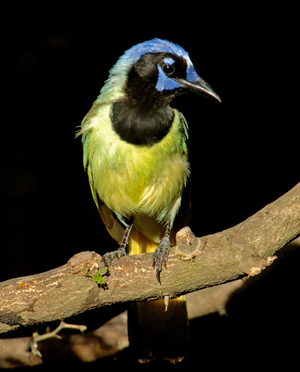
Green Jay, Laguna Atascosa NWRFermata began working in the Lower Rio Grande Valley (LRGV) of South Texas in the early 1990s. Our first project involved developing the Great Texas Coastal Birding Trail for Texas Parks and Wildlife in that area. We followed that work with the feasibility study for the World Birding Center, the strategic plan for the World Birding Center, nature tourism strategies for several of the communities there such as Mission, Weslaco, and South Padre, a feasibility study for the new centers at Weslaco and South Padre Island, and interpretive enhancements at Quinta Mazatlan in McAllen.
Early in our work we assessed the economic impacts of nature tourism in key LRGV sites such as Santa Ana NWR, Bentsen-Rio Grande State Park, and the Sabal Palms sanctuary near Brownsville. At that time (at least 15 years ago) we estimated an annual impact of $125 million from nature tourism in South Texas. A number of people were surprised by that figure, and questioned its accuracy. How could birders and other nature tourists contribute so much to that economy?
In recent months a study by Texas A&M has covered the same ground. This research comes after the implementation of much of the work listed above. Texas A&M now estimates that the impact is $300 million per year, almost three times our original estimate made prior to the community, state, and federal investments.
The communities there have been on board from the very beginning, and the results show the importance of their commitment and investments. Texas Parks and Wildlife has led the effort from the outset, and their investments (including two new state parks) have been invaluable. Congratulations to all involved in making South Texas a model for nature tourism development!
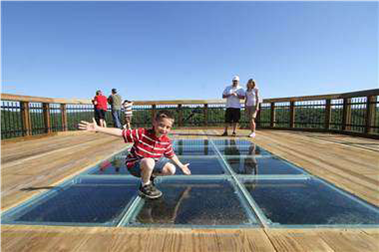
Kinzua Bridge SP Sky WalkAnother of Fermata’s strategic plans has been implemented. Ted developed a brief strategy for Pennsylvania’s Kinzua Bridge State Park after the railroad trestle met with fate in the form of a tornado. This park is near Bradford and the New York state line, yet although isolated the trestle (and the train that once operated here) attracted significant numbers of visitors. Ted’s plan recommended the creation of a sky walk at the end of the remaining structure (Ted remembers standing at the end of the destroyed trestle in 10 degree weather, wondering how he became interested in this profession in the first place). Congratulations to PA DCNR for following through on the plan, and particularly to Meredith Hill of DCNR for continuing the legacy of the PA Wilds. We can’t wait to visit!
Ta Brant has created a video illustrating the success of the PA Wilds project. For those who remember, Fermata had a critical role in developing this conservation tourism project in north central Pennsylvania. The project began with the elk viewing strategy that Fermata developed for PA DCNR during the Ridge administration, then expanded to the PA Wilds and four additional Conservation Landscape Initiatives (CLIs) in the Rendell administration. Many of the ideas that you see in the video began with us. Enjoy.
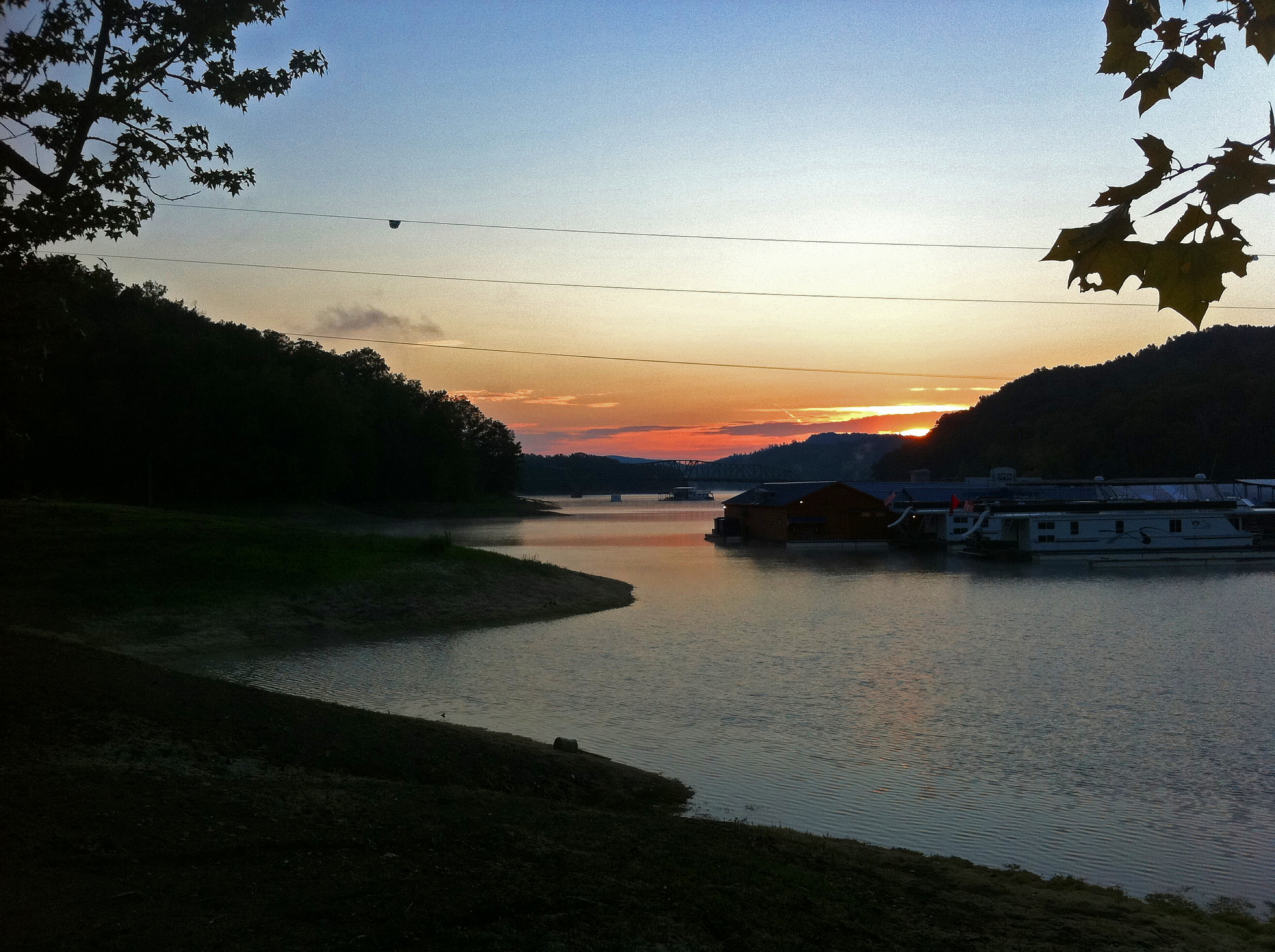
Norris Lake, TNThis morning I am presenting on sustainable tourism and recreation in Sharps Chapel, Tennessee. The conference, sponsored by the Conservation Fund and the National Trust for Historic Preservation, is enscounced in the town’s senior center. This is rural America (needless to say).
Conservation Fund has developed a fascinating program that Fermata has been involved with for many years now. Their Green Infrastructure initiative works with communities around the nation to help with sustainable development and design. Fermata often covers the sustainable recreation and tourism sector, and that is the reason that I am here today.
I can’t tell you how many rural communities I have visited and worked in or around. I suppose that the number is in the thousands. Each has a unique personality, yet they all face a similar set of challenges. Most are unsustainable. Whatever the original impetus behind their founding, that initial shove played out. Many are agriculture based, and industrial farming has eliminated the need for local suppliers of feed, seed, fertilizer, etc. Others were mill towns, and most timber has become a whole log export business. Fishing, mining, and traditional manufacturing have all gone through dramatic evolution and change. Small communities have been victimized by the changes.
Kids know this. As soon as they graduate from high school, they hop the bus to the nearest city that provides employment opportunities. In a real sense, rural communities, through out migration, are exporting their futures. Two strikes and many are close to striking out.
I understand the global and national forces that are shaping this change. I respect the powers of glocal economic trends. But I am still convinced that rural America is a valuable, irreplacable thread in the American tapestry. Sustainable rural living tells us far more about the potential future of our nation than the failures of our past.
Union County is facing the traditional challenges of an American rural county. Most of the jobs in the county are in Knoxville, and therefore most of the residents are commuters. The most significant native industry is tourism, most related to recreation on Norris Lake. Norris Lake is one of the original TVA (Tennessee Valley Authority) reservoirs developed in the 1930s. The TVA developed a number of parks and wildlife areas around the lake, and they now offer a variety of outdoor recreation opportunties.
Union County Green Infrastructure gathering in Sharps ChapelAs you can see, there is an outdoor recreational asset that should offer the county a fertile future. This is precisely the reason this group is gathered with us today. Local business people, public officials, and a variety of stakeholders are here today to better grasp and then define a future for Union County.
I am posting a link to my presentation here for all to use. I am also providing a link to a wonderful paper about green infrastructure and stormwater management. More importantly, the paper addresses a fascinating component of green infrastructure – the philosophy of water.